Custom Shops Built for Colorado Properties
Engineered for Strength, Designed for Your Lifestyle
Whether you need a personal workshop, vehicle storage, hobby space, or a fully outfitted multifunctional building, our custom shops are engineered to meet your goals, your property layout, and your budget. Designed for Colorado’s climate and lifestyle, these structures offer the durability you expect with the clean, modern look you want.
Made to Fit Your Life
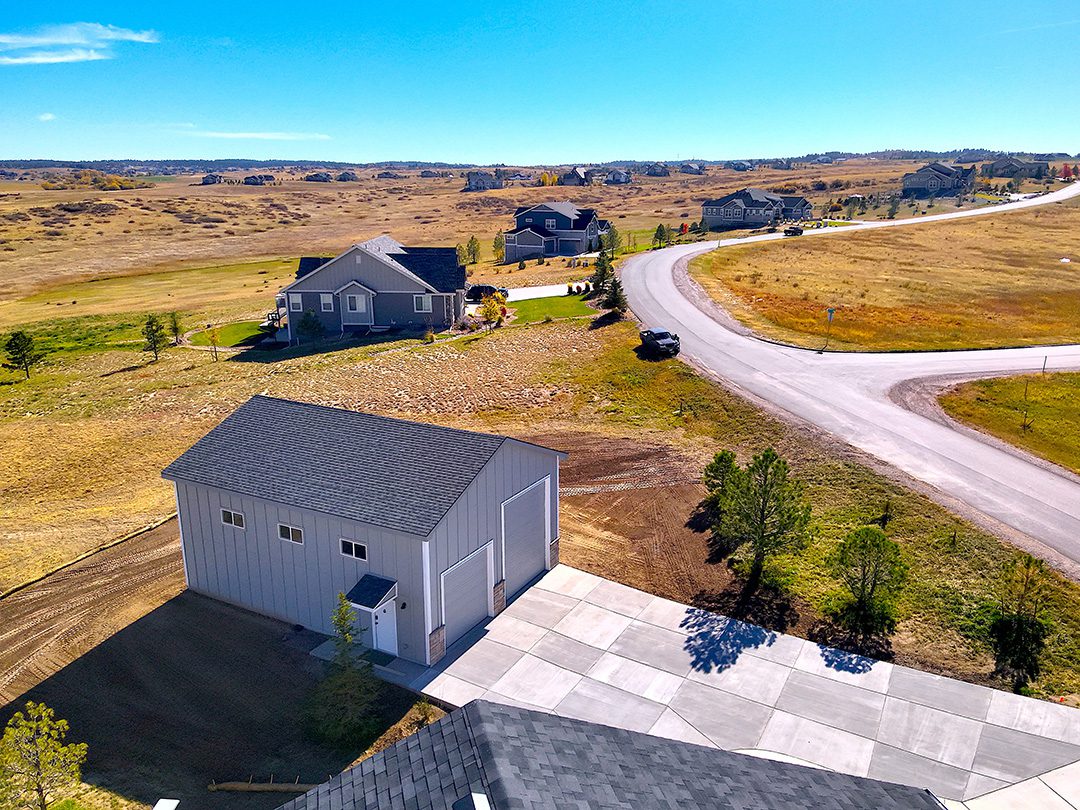
Every shop we build is tailored around how you plan to use it — from oversized overhead doors for RVs and lifted trucks to loft storage, or equipment bays. You choose the layout, size, and features, and we bring it to life with precision craftsmanship and proven post-frame engineering.
Why Homeowners Choose a Peak Pole Barns Shop
- Flexible designs: Compact workshops to large multi-bay shops — fully customized to your needs.
- Clean, efficient storage: Keep vehicles, tools, and equipment secure, organized, and protected year-round.
- Built for Colorado: Engineered for wind, snow load, soil conditions, and long-term performance.
The Peak Pole Barns Difference
A great workshop delivers more than utility. Ours are designed with craftsmanship, efficiency, and Colorado beauty in mind — a space that feels at home on your acreage while improving how you work, create, and store the things that matter.
Ready to Build Your Shop?
Tell us what you need — more space, more height, more functionality. We’ll design and build a shop that works as hard as you do.
Hand-Crafted Horse Barns, Garages, Riding Arenas, and More — Built to Belong on Your Property
Serving customers across Colorado – with the exception of a few counties.
The Affordable Building solution for Horse Barns, Garages, Indoor Riding Arenas, and More!
Frequently Asked Questions:
Structure hardening involves construction features intended to reduce the likelihood of ignition during a wildfire. Depending on the applicable code, requirements may address roofs, walls, doors, soffits, decks and other exterior components.
It may. Whether the wildfire building code applies can depend on the structure’s size, intended use, permit type, location and proximity to other buildings. Some agricultural structures may receive different treatment, but any exception should be confirmed before the design is finalized.
No. The statewide code establishes minimum standards, but local governments may adopt amendments or more restrictive requirements. Anyone planning wildfire mitigation in Colorado should also check applicable municipal, county and fire-district rules.
No. Applicability depends on whether the property is within a designated wildland-urban interface area, the code and map adopted by the local jurisdiction and the type of permit or construction project involved.
Review the manufacturer’s specifications, testing information, and product certifications for the proposed fire-resistant roofing materials. The HOA or local building department may request supporting documentation. Legal guidance may be appropriate if there is disagreement over whether a particular roofing material qualifies.
Yes, in most cases. HB24-1091 limits restrictions on qualifying fire-hardened materials, but it doesn’t remove an HOA’s architectural review. A pole barn, garage, or workshop may still need approval for its size, height, placement, and overall look, as long as those rules don’t ban a qualifying material. The law also allows reasonable HOA standards for the design, dimensions, placement, and appearance of fire-hardened fencing. Check your community’s current guidelines before you finalize plans.
No. The law addresses restrictions on qualifying fire-resistant building materials; it does not automatically approve a detached structure. HOA rules, zoning, setbacks, permits, engineering requirements, and other regulations may still apply.
HB24-1091 generally prohibits covenants and other restrictions that disallow the installation, use, or maintenance of qualifying materials on residential property, including property in common-interest communities. Whether a specific product qualifies depends on the applicable standards and product documentation.
Colorado wildfire mitigation for a pole barn may involve guidance from the local fire protection district, county building department and pole barn builder. Depending on the property, a surveyor or excavation contractor may also help assess access, slope, drainage, and clearing requirements before the building location is finalized.
Colorado State Forest Service guidance describes three general zones extending from the structure to approximately 100 feet on relatively flat ground. Steep slopes, dense vegetation, property boundaries and local requirements may affect the appropriate treatment distance.
Not necessarily. The appropriate approach depends on tree spacing, condition, surrounding vegetation, terrain and local recommendations. Selective thinning, pruning, and continued maintenance may preserve trees while reducing fuel near the building.
No. Defensible space cannot eliminate wildfire risk or guarantee that a building will survive. Its purpose is to reduce combustible material around the structure, interrupt possible fuel paths and improve the conditions surrounding the building.
The schedule depends on design, engineering, permitting, site preparation, material availability, weather, construction access, building size, inspections and selected features. A project-specific timeline can be developed after these factors have been reviewed.
Most permanent pole barn projects require some form of local zoning or building review, but requirements vary by jurisdiction, property, building size and intended use. Local authorities may review setbacks, engineering, wind and snow loads, drainage, utilities and access.
Site preparation may include clearing, grading, soil compaction, drainage planning, utility coordination, access preparation and layout verification. The required work depends on the property, engineered plans and local requirements.
The first step is discussing how the building will be used, where it will be located, which features are required and what budget has been established. This information helps the builder begin evaluating the project and developing a preliminary design.
Insulation may be included when appropriate for the building’s intended use. The design should account for the walls, roof or ceiling, doors, ventilation and any planned heating system.
Yes. A custom RV garage may combine a tall motorhome bay with one or more standard vehicle bays. It may also include storage or workshop space, depending on the building plan and available property.
The correct door size depends on the motorhome’s maximum height and width, including mirrors and roof-mounted equipment. The opening should provide additional clearance rather than matching the vehicle’s dimensions exactly. Peak Pole Barns can review the vehicle measurements during design.
The garage should be based on the RV’s full length, width and height, including mirrors, roof equipment, ladders, antennas and hitches. The design should also allow space around the vehicle, room to open compartments or slide-outs and sufficient approach space outside the door.
A major out-of-state pole barn contractor risk is receiving a building package that does not fully account for Colorado’s weather, soil conditions, engineering rules, or permit requirements. This can lead to redesign costs, engineering delays, and unexpected changes before construction begins.
Yes. Pole barn wind load requirements and snow load requirements depend on the project’s exact location, soil conditions, elevation, and local building codes. Requirements can vary between mountain communities, Front Range areas, and exposed rural properties.
Soil, drainage, access, elevation, and site preparation can affect foundation and engineering requirements. These factors also influence the local engineering standards Colorado building projects must meet before the design and final price can be confirmed.
A complete quote should include the building package, engineering, foundations, site preparation, permits, framing, labor, and optional finishes. Comparing the full installed steel building vs pole barn cost gives property owners a clearer view of the total project investment.
Pole barn site selection in Colorado typically comes down to zoning setbacks, drainage, sun and wind exposure, snow loads and vehicle access. Weighing these factors together, rather than any one alone, usually gives the best long-term result.
Pole barn setback requirements in Colorado vary by county and municipality, so there’s no single statewide distance. Checking with your local planning office or an experienced builder before you finalize placement is the safest way to confirm the exact requirement for your property.
Yes. A property line survey confirms your boundaries, easements and buildable area before you finalize a design, which helps you avoid setback violations and costly changes after construction starts.
The best pole barn orientation depends on your site’s exposure to prevailing winds, sun angle and snow drift patterns, but many Colorado builds benefit from positioning entrances away from prevailing winter winds and orienting long walls to capture winter sun. A site evaluation is the most reliable way to confirm the right direction for your property.
Contact our team to review your property, discuss setback and survey requirements, and identify the best building site for your land.
The most frequent site selection errors: guessing at property lines, building in a low-drainage spot, ignoring setback requirements, skipping a soil check and leaving no room for future access or expansion.
Flat, well-drained land with stable soil is generally the easiest to build on, but foothill, mountain, and floodplain-adjacent properties can all support a pole barn with the right grading, drainage and permitting steps.
Yes. A property line survey confirms exact boundaries, easements and utility corridors that fences and tax maps often get wrong. Building without one risks placing a structure across a property line or inside a protected easement.
Pole barn setback requirements vary by county and municipality. Typical ranges are 10 to 25 feet from side and rear property lines and 25 to 50+ feet from road right-of-way, with easements off-limits entirely. Confirm exact numbers with your local planning department before finalizing a site plan.
A site review provides information about slope, drainage, access and visible ground conditions. These factors help determine the likely grading and pad-preparation scope.
Yes. Distance, terrain, trenching conditions, service capacity and the building’s electrical needs can all affect the price. An electrical contractor must review the property and proposed use.
The required snow load can affect the structural design and components specified for the building. Requirements depend on the property location, applicable codes and project engineering.
Not always. Online estimates and contractor quotes may exclude clearing, grading, drainage, utility installation, permits, or access work, so the included scope should be confirmed.
The cost depends on the building’s size, use, materials, engineering, site conditions and selected features. A site-specific quote is needed because Colorado properties can have different grading, access, snow-load and utility requirements.
A properly designed and permitted barn may improve an equestrian property’s utility and appeal. Its effect on market value depends on building quality, condition, location and demand from future buyers.
It can be. Boarding is generally charged for each horse, while much of the barn’s construction cost is shared. Owners should still include the additional feed, labor and facility expenses associated with every horse.
Horse barn construction cost depends on building size, stall count, site conditions, access, grading, drainage, engineering, permits, utilities and selected features. Tack rooms, wash bays, hay storage, concrete and custom stalls can increase the project scope.
It eliminates the boarding facility’s monthly charge, but it does not eliminate the cost of keeping horses. Owners remain responsible for feed, bedding, water, electricity, manure management, maintenance, insurance and daily labor.
Divide the estimated barn construction price by your annual boarding expense. Then account for financing, utilities, insurance, maintenance, labor and any services currently included in your boarding fee. The result is a planning estimate rather than a guaranteed break-even date.
Utility routes should be planned before posts, footings, or concrete work begin. The installation sequence depends on the building design, local requirements and coordination between the pole barn contractor and licensed utility trades.
It may be possible, but frozen soil, snow and wet access can limit excavation and compaction. Timing should be based on current site conditions, the required work and the contractor’s construction schedule.
Responsibility depends on the construction agreement. The property owner and pole barn contractor should confirm who will handle clearing, grading, utilities, compaction, inspections and final drainage before work begins.
Testing may be recommended when the site has questionable fill, expansive soil, drainage problems, or other conditions that could affect construction. The contractor, engineer, or local building authority can advise whether testing is required.
The building area usually needs a stable, properly prepared pad based on the approved elevation and drainage plan. The surrounding property does not need to be completely flat, but the building location must accommodate the proposed structure safely.
Neutral and earthy colors within the Peak Pole Barn color options often complement Colorado properties and surrounding structures. When choosing colors, consider sun exposure, the building’s size and purpose, nearby materials, and how the roof, siding, and trim will work together.
Yes. The available building color options can be compared with your HOA’s approved color guidelines. Confirm the requirements with your HOA and provide them to the Peak team before ordering, so the selected colors can be reviewed before the project moves forward.
Yes. The Peak team can recommend building color combinations that complement your home, barns, garages, and other structures. They can also help coordinate the siding, roofing, doors, and trim for a consistent appearance.
Colours may appear different depending on your device settings, natural light, and surrounding materials. Review physical metal samples before confirming your selection so you can see how each colour looks on your property.
No. Availability differs across the 29-gauge, 26-gauge, and 24-gauge metal colors. All 29-gauge colors are kept in stock, while some 26-gauge and 24-gauge options require special ordering and may add up to four weeks to the project timeline.
Yes. You can create different building color combinations by coordinating the siding, roof, doors, and trim. Peak can help you choose a single-color, two-color, or three-color design that suits your property.
Choose an arena builder with experience in horse behaviour, footing, arena drainage, snow loads, ventilation, and the full construction process. For a custom horse arena in Colorado, the right team should understand local site conditions and plan every detail of your horse arena construction before work begins.
Common footing options include silica sand, synthetic footing, fibre mixes, rubber blends, and a footing additive for traction and shock absorption. The right option depends on how often you use your arena, the riding discipline, and the level of maintenance you can manage.
Drainage is important in equestrian arena construction because it helps allow water to move away from the riding surface, base layer, and building foundation. Good drainage may include grading, gutters, French drains, drainage stone, and a geotextile membrane.
The most common mistake when building a horse arena is not planning the arena base and drainage system properly. A weak sub-base, poor grading, or the wrong footing material can lead to water problems, uneven footing, and higher repair costs.
It may seem cheaper upfront, but expanding later often costs more because it can involve permits, structural changes, extra labour, and downtime. Building the right size from the beginning helps protect your budget and avoids the disruption of adding onto a horse arena later.
Good horse arena budget planning should include the building structure, site preparation, footing, lighting, ventilation, access points, and storage needs. It is also wise to include a contingency fund so unexpected costs do not force you to cut important features.
A well-built arena can support horse arena resale value, especially on equestrian properties where buyers want practical, ready-to-use facilities. Size, placement, access, drainage, footing, and lighting all influence the long-term value of the arena.
For jumping, a minimum height of 16–18 feet is usually recommended, with extra clearance offering more flexibility and better airflow. Arena height for jumping horses should be planned from the start, even if jumping is only a future possibility.
The right size depends on how you plan to use the arena, the riding discipline, and whether you need space for lessons, clinics, or multiple horses. Planning the correct size early is usually more cost-effective than adding onto a horse arena later.
The cost of built-in tack storage depends on the size, materials, layout, and level of custom work needed. A simple wall rack system will usually cost less than a fully built-in tack room with shelving, cabinets, doors, and custom storage zones.
Tack storage should stay dry, ventilated, and protected from damp conditions. Leather can crack when it gets too dry and grow mold when storage areas are too humid, so airflow and stable indoor conditions are important.
Built-in wall storage can replace a separate tack room if the arena has limited equipment and the layout is planned carefully. For larger facilities, it may work better alongside dedicated tack room storage ideas for bulkier items, extra blankets, and seasonal gear.
The space needed for a tack room depends on the number of horses, riders, and equipment stored on the property. For smaller barns, compact tack room organization with good shelving, saddle racks, bridle hooks, and labelled bins can often work well.
The best tack storage for a small indoor arena is usually wall-mounted storage, built-in shelving, and hooks that keep gear off the floor. These options help save space while keeping side reins, whips and other training tools within reach.
Sand is one of the most common arena footing types because it provides stability and traction when properly selected and maintained. Rubber footing is usually added to sand to improve cushion and reduce concussion, making it useful for some types of equestrian arena footing, especially in higher-impact disciplines.
Yes, Colorado arena footing needs to handle dry air, dust, freezing conditions, and moisture changes. Footing that works well in wetter regions may need additives, watering systems, or a different material blend to perform well as indoor arena footing in Colorado.
Indoor arena footing does not always need to be fully replaced, but it should be monitored and refreshed when it loses traction, moisture retention, or consistency. With good arena footing maintenance, many arenas only need the top layer refreshed every few years, depending on use and material breakdown.
Jumping horses usually need a firm, well-built base with around 2 to 2 ½ inches of footing on top, depending on the arena design and material used. Proper arena footing installation is important because footing that is too deep can strain horses, while footing that is too shallow can increase impact during takeoff and landing.
The best indoor riding arena footing for Colorado usually depends on the discipline, usage level, base preparation, and moisture control. For many facilities, sand with fibre or a pre-mixed commercial blend works well because it supports traction, cushion, and arena dust control in Colorado’s dry climate.
Timelines vary depending on size and complexity. Most pole barn buildings in Colorado are completed within a few weeks once permits are approved and materials are on site. Contact Peak Pole Barns for a timeline estimate tailored to your specific project and location.
Barn pole buildings use post-frame construction methods, providing a durable and cost-effective solution for storage, livestock housing, garages and agricultural use. Peak Pole Barns offers both custom and prefabricated options to suit different budgets and project requirements across Colorado.
Pole metal buildings from Peak Pole Barns can include horse stalls, overhead doors, windows, ventilation systems, cupolas, and covered spaces. Each structure is custom-designed to your specific needs using hand-selected lumber and quality materials. Peak Pole Barns works closely with you to configure the right building for your property.
Every pole barn built by Peak Pole Barns includes engineered plans to meet local building codes and wind and snow load requirements. A licensed engineer reviews each project to confirm structural integrity and full compliance. Peak Pole Barns manages this process on every build across Colorado.
A multi-use pole barn is designed to serve multiple purposes, combining storage solutions with dedicated work areas. These versatile structures reflect the future of pole barn design, where buildings are expected to adapt over time. Whether you’re planning to build a pole barn for personal or commercial use, flexibility is becoming a key building feature.
Current trends shaping pole barns focus on creating brighter, more usable spaces. Adding natural light through well-placed windows and doors, using clean color schemes and incorporating features like a porch all contribute to a more refined look. Many pole barn design ideas now follow a minimalist pole barn approach with clean lines and a balanced mix of materials.
Yes, post-frame construction is widely used for both residential pole barns and garage spaces. These buildings can include living quarters, concrete floors and upgraded interior finishes, making them feel like an extension of your home. Features like barn doors or sliding barn doors also add flexibility for storage and access.
When designing a pole barn, the roof and insulation system need to work together. The right roofing materials help manage weather exposure, while proper insulation supports year-round use. Many builds now include features like durable materials such as steel and carefully planned ventilation to ensure the structure is both functional as it is visually balanced.
Energy efficiency plays a bigger role in pole barn construction than it used to. With better insulation, tighter building methods and energy-efficient windows, today’s designs help regulate temperature and reduce long-term energy costs. This shift reflects broader industry trends, where performance matters just as much as structure.
Snow load should be considered early in the design process. Proper structure and materials help ensure the building can handle local weather conditions safely.
A good pole barn design focuses on layout, airflow, and durability. Planning ahead helps create a space that is easier to work in and maintain over time.
A garage can work for basic use, but a pole barn workshop gives you more flexibility and space for larger projects, equipment and long-term use.
When planning a pole building workshop, think about your workflow, storage needs and how much room you actually need. A simple layout that fits your work style will make the space easier to use.
To build a pole barn workshop, start with a clear plan for how you will use the space. Focus on layout, structure and materials so the building supports your daily work without limitations.
Poor installation can reduce how well insulation performs and may lead to condensation issues. Gaps, compression, or missed areas can allow moisture buildup, which may lead to rust or damage inside the building over time.
Yes, insulation provides better temperature control, which can reduce how often heating and cooling systems are used. Over time, this can help lower energy bills, especially in buildings that are used regularly.
For consistent performance, insulation should be placed across key areas such as the roof and inside the building walls. In many cases, insulating the roof is just as important as insulating the walls to maintain stable conditions throughout the structure.
Insulation can be added after a pole barn is built, but it may require adjustments depending on how the structure was originally designed. Retrofitting insulation into an existing post-frame building often involves working around framing, wall finishes and ventilation.
Yes, local building codes can influence insulation requirements, especially in a post-frame building. These codes often define minimum standards for insulation, ventilation and energy efficiency, which can impact material choice and installation approach.
Pole barns are durable and require minimal maintenance. With proper care, such as periodic inspections of the roof and siding, a well-built pole barn can typically last between 40 and 60 years and, with proper maintenance, even longer. We use quality materials to ensure longevity.
Our customization options include siding materials, roofing materials, insulation, windows, doors, interior finishes and additional features like porches or overhangs. We work with you to design a building that meets your exact specifications.
We provide various roof styles, including gable, gambrel, monitor and single-slope roofs. You can choose a design that suits your aesthetic preferences and functional requirements.
Yes, we offer financing options to make your pole barn project more affordable. Please contact us to discuss available plans that fit your budget.
Common sizes range from smaller structures like 24×24 feet to larger buildings exceeding 80×100 feet. We offer customizable sizes to meet your specific needs.
The construction timeline varies based on size and complexity. Generally, a standard pole barn can be completed within a few weeks. At Peak Pole Barns & Manufacturing, we aim to deliver projects efficiently without compromising quality.
Pole barns are versatile structures used for various purposes, including agricultural storage, livestock housing, equestrian boarding, riding arenas, workshops, garages, commercial spaces and RV or Trailer storage. Their open floor plans and customizable designs make them suitable for many applications.
Excessive dust can create health risks for both horses and riders. Studies estimate a resting horse inhales about 150 liters of air per minute, meaning dust exposure can quickly affect respiratory health. Reducing dust in your arena helps protect horses and supports a safer riding environment.
Yes, footing composition plays a major role in dust management. Poor-quality sand or excessive fines can create much dust when horses dig into the footing during riding. Adding fibers or rubber products can help stabilize the surface and support a more consistent and comfortable riding experience.
Sprinklers help maintain consistent moisture in the footing layer, preventing fine particles from becoming airborne. In indoor riding arenas, sprinkler systems or controlled watering schedules are especially helpful for maintaining a dust-free arena and improving air quality during daily riding activity.
The best dust control method often depends on footing type and climate. Many facilities use magnesium chloride, often called mag, because it attracts moisture and helps bind loose particles within the footing. Watering systems and footing additives can also support long-term dust control.
The most effective way to reduce dust is by maintaining proper footing moisture and regular arena maintenance. Watering systems, magnesium chloride treatments and suitable footing materials help prevent airborne dust particles from forming when horses move across the surface.
Fiberglass insulation remains a common and cost-effective choice for pole barns. It works well in wall cavities and can be paired with proper air sealing to improve performance. In a fiberglass pole framing layout, installation should be done carefully to prevent gaps that reduce effectiveness.
The most affordable way to insulate a pole barn is typically with fiberglass batt systems installed between framing members. A roll or batt system combined with a vapor barrier can provide basic thermal control for storage buildings. For heated spaces, long-term energy performance should also be considered.
Yes, adding flooring and insulation can improve energy efficiency and comfort. Interior finishes, such as liner panels, can enhance the comfort of your pole barn and create a more usable space. Proper installation techniques help secure the roof and wall systems before finishing work begins.
Before constructing a pole barn, check with your local building department to confirm the type of foundation required and ensure compliance with local regulations. Site preparation, soil conditions, and drainage should be evaluated so they do not interfere with construction. Planning helps streamline the process.
Building framing in post-frame systems involves setting posts first, then adding girts and placing trusses to the top before siding to the exterior is installed on the exterior. The next step is installing roof components and securing metal panels. Proper sequencing ensures structural stability and ease of installation.
Stud framing relies on continuous load-bearing walls, while pole barn framing uses large embedded posts as the primary support. The absence of interior walls in post-frame systems allows wider open spans. This framing allows flexible layouts and can serve as an option for residential use when built to code.
A properly engineered truss distributes weight evenly across the roof structure and transfers loads into the vertical posts. During pole building construction, trusses are secured at the top of the frame before installing the roof system. This design helps support snow loads and allows metal roofing to be installed securely.
Indoor arenas provide year-round riding access during snow, wind, and extreme temperatures. Outdoor arenas typically involve lower initial investment and simpler construction. The right choice depends on how frequently you plan to ride, whether training is professional or recreational, and how seasonal weather affects your schedule.
Common fencing options include wood board, vinyl rail, pipe fencing, or flexible safety rail systems. The best choice depends on visibility, durability, maintenance expectations, and riding discipline. Fencing height and spacing should allow safe containment while minimizing the risk of entanglement for horses during training.
Yes, but sloped sites require careful grading and compaction to create a stable, level base. Additional fill material, drainage planning, and erosion control measures are often necessary. Improper leveling can lead to water migration beneath the surface and uneven footing over time, so professional site preparation is critical.
Construction timelines vary based on weather, site access, and soil preparation needs. An outdoor arena may take several weeks from grading to final surface installation. Projects requiring extensive excavation, drainage systems, or structural framing will take longer. Seasonal conditions in Colorado, including freeze-thaw cycles, can also affect scheduling.
Permit requirements vary by county and zoning classification. Some outdoor arenas may be considered agricultural improvements and require minimal approval, while covered arenas, lighting systems, grading over certain thresholds, or drainage modifications often require review. Always verify local zoning, setback requirements, and land use regulations before beginning site preparation.
Arena size depends on intended use. A standard dressage arena measures 20 x 60 feet while many general-purpose riding arenas are built at 100 x 200 feet. Smaller private arenas may be 80 x 160 feet. Jumping, roping, or multi-discipline use may require larger layouts to allow safe approach distances and adequate turning space.
The cost to build an equestrian arena in Colorado depends on site grading, soil conditions, base depth, drainage systems and overall size. Outdoor arenas typically require excavation, compaction, base installation and surface materials. Covered or fully enclosed arenas involve structural framing and additional permitting. Costs increase if significant grading or drainage corrections are needed, especially in areas with variable soil or sloped terrain.
Regular upkeep goes a long way in keeping a custom pole barn standing strong. Start with a good inspection once or twice a year to catch small issues early. Keep the roof clear, touch up paint or sealant when needed, and make sure drainage stays clean around the posts. Simple care like this helps prevent moisture damage and keeps the structure looking sharp. With routine maintenance, a well-built barn can stay solid 60 or more years.
Peak Pole Barns and Manufacturing specializes in custom pole barns built to match your property and purpose. Contact us today to request a quote and start planning your build.
We offer extensive customization, including roof styles, siding materials, colors, door and window configurations, insulation, interior finishes, and additional features like porches or lean-tos.
While it’s technically possible to modify a pole barn for residential use, Peak Pole Barns & Manufacturing recommends considering traditional framing methods when building a residential structure. Traditional framing offers advantages such as enhanced energy efficiency, better compliance with residential building codes, and greater design flexibility to meet the needs of a home. We specialize in pole barns intended for agricultural, commercial, and storage purposes.
Yes, when properly insulated and constructed, pole barns are energy efficient. We offer insulation options to enhance energy efficiency.
Pole barns require minimal maintenance. Regular inspections of structural components and addressing any issues promptly will keep your building in excellent condition.
Timelines vary based on design complexity but generally range from a few weeks to several months. We’ll provide a realistic schedule during the planning phase.
We build a wide range of sizes, from small storage units to larger agricultural buildings. We’re equipped to meet your specific size requirements.
Post-frame construction is known for its strength, versatility, and cost-effectiveness. A quality post frame design lets us build a barn that’s durable, adaptable, and easier to maintain over time. It works for everything from horse barns to barndominiums, giving you more space for less, without giving up on reliability or value.
A pole barn uses post-frame construction with vertical posts supporting the structure, offering spacious interiors without interior load-bearing walls. It’s more cost-effective and quicker to build than traditional buildings.
The most affordable option is a smaller pole barn, often around 24’ x 24’ or 32’ x 40’. In Colorado, the cheapest pole barns are simple storage buildings without custom finishes. Costs rise with insulation, windows, doors, and custom layouts.
Pole barn footings in Colorado are usually 3–5 feet deep, depending on frost lines and soil conditions. Local building codes and snow load requirements influence footing depth, ensuring long-term stability and safety.
A good size depends on your needs. In Colorado, standard horse barns often measure 36’ x 48’, while indoor riding arenas are commonly 80’ x 120’. Pole barns for garages or workshops may be smaller, but Colorado builders design to fit equipment, livestock, or storage needs.
Building a pole barn starts with site preparation, followed by setting posts in concrete footings, adding trusses, framing walls, installing roofing, siding, and finally finishing with doors, windows, and insulation. Colorado pole barn builders design each step to meet snow load, wind speed, and permit requirements unique to the state.
Building a pole barn starts with site preparation, followed by setting posts in concrete footings, adding trusses, framing walls, installing roofing, siding, and finally finishing with doors, windows, and insulation. Colorado pole barn builders design each step to meet snow load, wind speed, and permit requirements unique to the state.
Yes, pole barns can be designed and constructed to accommodate a variety of animals besides horses. They can be adapted for livestock, such as cattle or goats, or other animals, like alpacas or chickens. The versatility of pole barns makes them a popular choice for agricultural and animal housing needs.
Ventilation is crucial in a horse pole barn to maintain good air quality and prevent the buildup of harmful fumes, dust, and moisture. Proper ventilation helps prevent respiratory issues and improves the overall health and comfort of the horses. Common ventilation options include windows, vents, and ridge vents.
Yes, many horse barn builders offer customization options for their pole barns. You can work with the builder to create a custom floor plan that meets your specific needs and preferences. Customization options may include choosing the number and layout of horse stalls, adding a tack room or hay storage area, and selecting exterior finishes
To find a horse barn builder in Colorado, you can search online directories, ask for recommendations from local horse owners or equestrian facilities, or contact professional associations related to the equine industry. You can also reach out to barn builders directly and request a free quote for your project.
When choosing a horse pole barn, it is important to consider factors such as stall size and layout, ventilation, natural lighting, durable siding materials, sliding doors for easy access and a well-designed tack room for storing horse equipment and supplies.
Yes, many horse barn builders offer pre-built horse stalls as part of their barn design. By choosing a horse barn with pre-built horse stalls, you can save time and effort in the construction process and ensure that the stalls are properly designed and installed for the comfort and safety of your horses.
Pole barns provide several advantages for housing horses. They are cost-effective, customizable and can be constructed relatively quickly. Additionally, pole barns offer excellent ventilation, natural lighting and the ability to easily expand or modify the layout to meet the needs of your horses.
A pole building, also known as a post frame building, is a structure constructed using posts embedded in the ground or mounted on a concrete foundation. It is a cost-effective and versatile building method commonly used for agricultural buildings, such as horse pole barns.
A horse pole barn in Colorado is designed to offer shelter for horses, featuring stalls, a tack room and essential amenities necessary for their care.